The morale problem that shows up after automation isn’t about workload. It’s about identity. You removed the tasks that made a job legible to the person doing it, and you didn’t replace them with a new description of what the job now is. That gap is where the resignation letters come from, not the extra free time.
The thing nobody tells the team
Automating a task is not the same as automating a role, and most leaders explain the first and skip the second. They say “this will free you up for higher-value work” and never specify what that work is. The employee hears a threat dressed as an upgrade. If the higher-value work was already defined and already valuable, someone would have been doing it already. Saying it’s coming later, once the automation lands, puts the burden of invention on the person who just watched their job get smaller.
This is the honest version: when you automate the repeatable part of a role, you are left with the part that was too ambiguous, too judgment-heavy, or too relationship-dependent to script. That remainder is real work. But it needs a name, a scope, and ideally a different pay band, because it is a different job even if the person and the desk stayed the same.
Why “we’ll figure it out together” doesn’t land
Ambiguity reads as risk to the person whose job just changed, and risk reads as a reason to leave first. Teams that survive an automation rollout with morale intact are the ones where the new role was specified before the old tasks disappeared, not after. That means writing the new job description, deciding what gets measured, and deciding how the person is evaluated against a standard that didn’t exist a month ago. Skipping this step and promising clarity later is the single most common failure mode in automation rollouts that otherwise work technically.
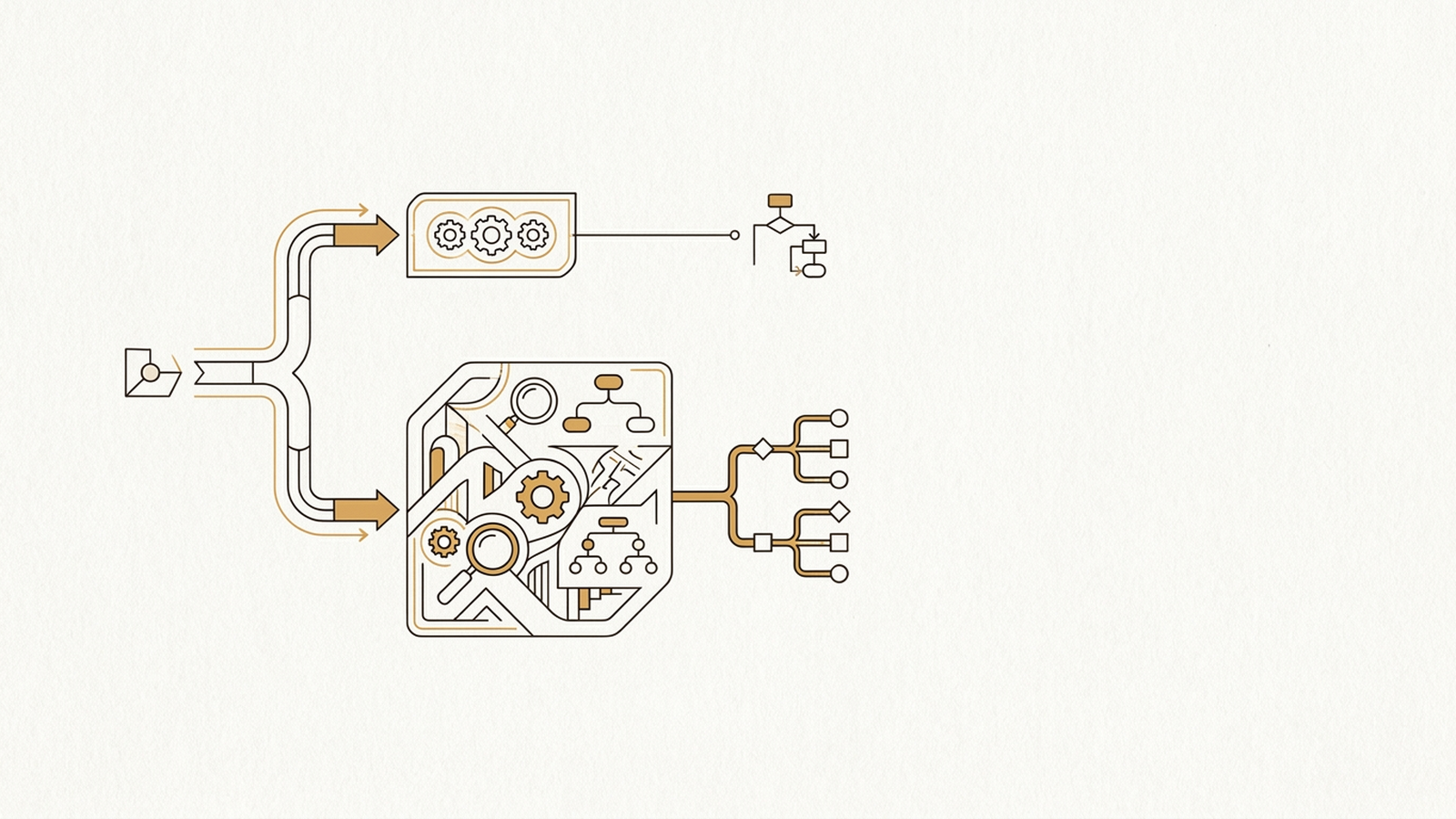
If you’re building the automation yourself rather than buying it, this is also where workflows that look clean on a whiteboard start to leak. The workflow diagram shows tasks disappearing. It never shows the new accountability structure that has to appear in their place. That structure is not technical work. It’s management work, and it has to happen on the same timeline as the build, not after the build ships and people notice their day looks different.
The quiet tell: who gets asked for feedback
Watch who gets consulted during the rollout and who gets informed after. The people who get asked “does this match how you actually work” tend to stay, even when their role shrinks substantially, because they had a hand in defining what replaces it. The people who get a Slack message announcing the new tool tend to start job hunting within the quarter, regardless of how good the tool is. This isn’t a soft HR observation — it’s the actual lever, and it costs nothing except the discipline to ask before you ship.
Consultants get hired to fix this after it’s already gone wrong, which is backwards. The fix is cheaper before launch: interview the people whose tasks are being automated, write down what they think the job becomes, and compare it against what leadership assumed. The gap between those two answers is usually the whole morale problem, visible weeks before the rollout, for the cost of a few conversations.
What a good rollout actually looks like
A good rollout has a new job description ready on the same day the automation goes live, not a promise of one later. It has a named owner for the ambiguous judgment work that’s left, with that ownership reflected in title, pay, or both. It treats the automation project and the org-design project as one project with two workstreams, not a technical build followed by a people problem.
If you’re running this kind of transition and want a second opinion on where the role gap actually sits, that’s the kind of work worth bringing in outside eyes for — it’s covered in more detail on the services page, and it’s a cheaper conversation to have before the automation ships than after the resignations start.
The honest tradeoff
Automating the repeatable part of a job is usually a good decision on pure economics. The tradeoff is that it converts a stable, well-understood role into an ambiguous one, and ambiguous roles are expensive to run well because they require more management attention, not less. If you’re not willing to spend that attention, don’t automate the task yet — the savings on the task will be eaten by turnover and rehiring on the role. That’s not a reason to avoid automation. It’s a reason to budget the management cost alongside the tooling cost, instead of pretending the second one doesn’t exist.